When You’re Not Being Heard
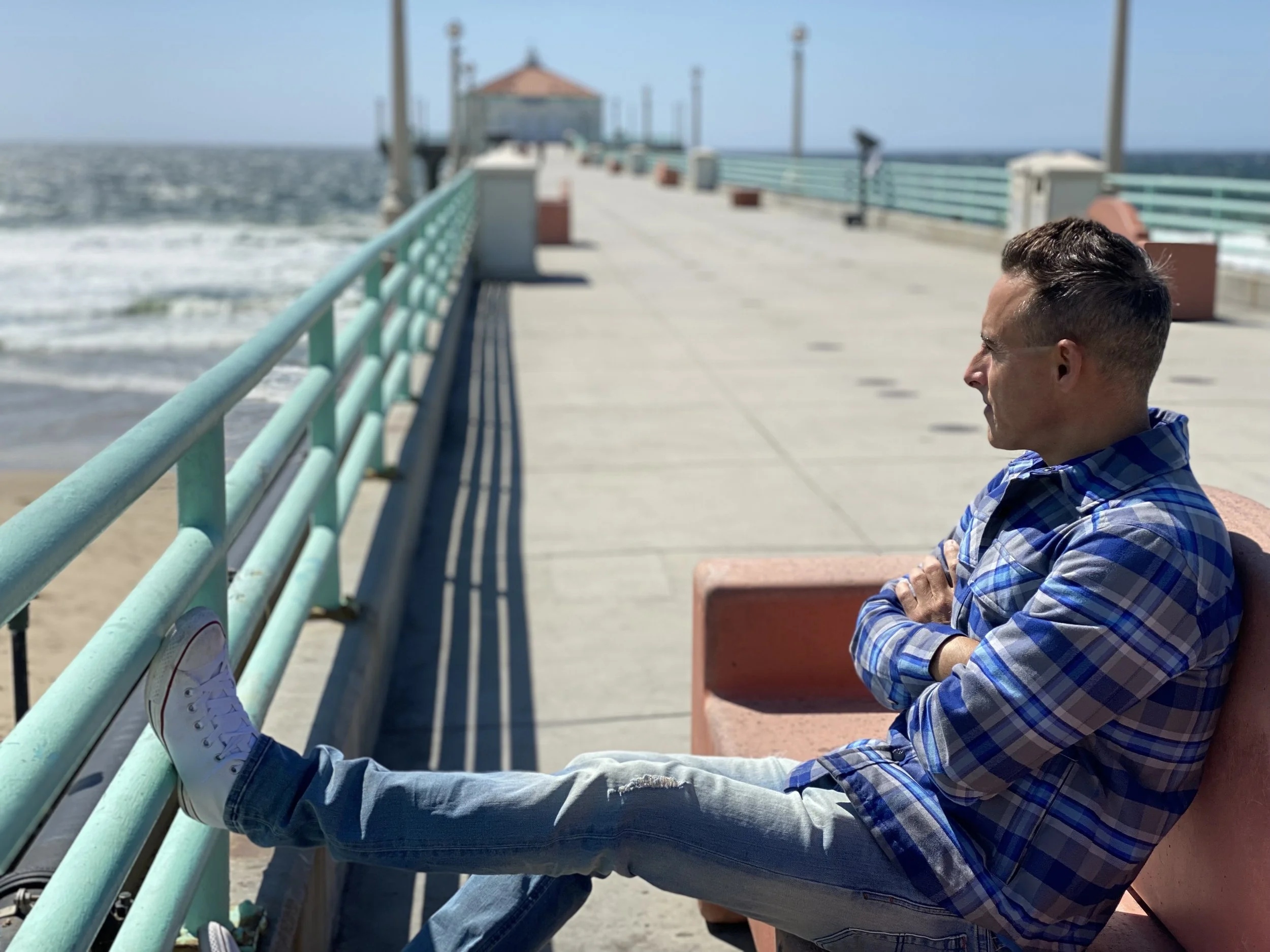
I keep having this dream.
It’s the kind that doesn’t fade when you wake up. It lingers, like the smell of rain after a storm. In it, I’m standing alone at the end of a pier, staring out at the ocean as it stretches endlessly in front of me. A storm is tearing through everything. Wind shrieking. Waves crashing. Rain pelting down like cold needles. The ocean feels alive, almost angry, flexing its strength in relentless, merciless waves.
I try to find the horizon, that thin, reassuring line where the ocean meets the sky, but it’s nowhere to be found. My vision blurs as I squint into the rain. I feel small. Powerless. Lost in a wall of sound and motion that doesn’t care I’m there at all.
So I do what anyone would do.
I start yelling.
I shout at the ocean, at the wind, at something—anything. Maybe I’m asking for help. Maybe acknowledgment. Maybe I just want proof that I exist in the middle of all this chaos. But no matter how loud I yell, my voice disappears instantly, swallowed by the storm. Even my own ears can’t hear me. It’s as if my presence is being erased in real time.
When I told my therapist about the dream, I laughed and joked that it would make a great piece of modern art. But as I described it, something unexpected happened. Somewhere between the crashing waves and the sound of my own muted voice, a question surfaced that stopped me cold:
Why am I not being heard?
That question didn’t come out of nowhere. It touched something I’ve wrestled with for as long as I can remember. Not just the desire to have a voice, but the deeper need for that voice to matter. To be heard. To be seen. And once I noticed it, I couldn’t unsee how much of my life had been shaped by that pursuit.
As a kid, I was the smallest person in nearly every room. Classrooms. Family gatherings. Kickball games. I lived in the shadows of bigger bodies and louder personalities that seemed to take up all the oxygen. Silence became my default. Yet in smaller spaces—family dinners, afternoons with close friends—I came alive. I was thoughtful. Funny. Imaginative. I built entire LEGO cities and lost myself in elaborate worlds of my own making. In those quieter, safer environments, I felt vibrant because I could be heard.
And it felt incredible.
But life doesn’t stay small. It gets louder.
As I grew older, my voice grew with me. I jumped into debates at school. Held court with friends. Shared ideas with confidence and curiosity. It wasn’t about needing attention or being right. It was about connection—the feeling that someone was leaning in, actually listening. That’s when I first understood the link between being heard and feeling confident, compassionate, and whole. My voice mattered. Which meant I mattered.
Then post-college life arrived with all the subtlety of a piano falling out of a fifth-story window.
The structured rhythm of school disappeared, replaced by something chaotic and unforgiving called “the real world.” My first job was telemarketing. Insurance. Cold calls. Scripts. From the moment I walked in, my voice stopped belonging to me. Every word was dictated. Approved. Timed. My instincts, ideas, and personality weren’t part of the equation. Only numbers were.
It didn’t last long.
One day, out of sheer frustration, I decided to turn the pitch into a full Jerky Boys parody. Voices. Absurdity. Total commitment. My coworkers were losing it. Management was not amused. The next day, I was pulled into an office and forced to listen to the recording—every painful second of it—before being fired on the spot.
And the strange thing is, I wasn’t angry.
I was relieved.
That job wasn’t wrong. It just wasn’t aligned. The culture. The values. The way my voice didn’t matter at all. I didn’t have language for it then, but I was beginning to understand something essential: the environments we operate in determine how much of ourselves we’re allowed to bring with us.
Over the years, I worked across big companies, small businesses, freelance roles, and creative projects. Some experiences were fine. Others were draining. But the pattern was consistent. When I felt genuinely heard—when my ideas and perspective were valued—I was energized, engaged, and effective. When I wasn’t, exhaustion crept in. Frustration followed. Eventually, disconnection took over.
Which raises a deeper question: what does it actually mean to be heard?
It’s not polite nodding or surface acknowledgment. Being heard means someone is truly paying attention. Leaning in. Trying to understand. It’s the difference between surviving inside a system and thriving within one. And when that need goes unmet for long enough, people don’t fail. They burn out. They disengage. They start questioning themselves when the real issue is the environment they’re operating within.
That dream still visits me from time to time. The storm. The noise. The vanishing voice. And it reminds me of something I now know to be true: being heard isn’t a luxury. It’s a necessity. It shapes how we think, how we lead, and how we stay connected to who we are under pressure.
The work I do today is rooted in that understanding. Helping people recognize when the systems around them—and the ones they’ve internalized—no longer allow them to think clearly or operate sustainably. Because clarity doesn’t come from yelling louder into the storm. It comes from learning how to operate differently, in environments where your voice can finally carry.
